The Effects of Smoking During Invisalign Treatment
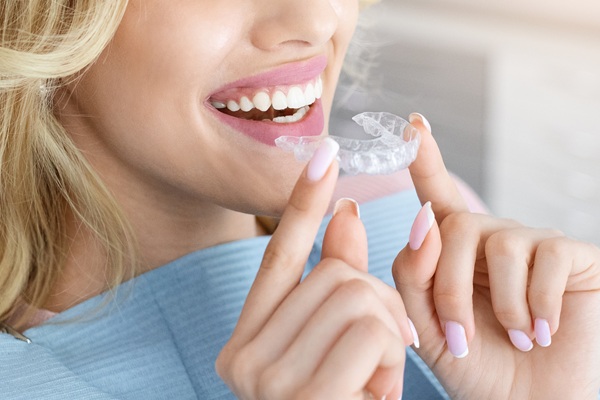
Invisalign® is a fast way to straighten teeth, using clear, removable trays. However, smoking can negatively impact patient comfort and aligner appearance throughout treatment. It can even prolong treatment times. Learning more about how smoking can affect Invisalign treatment can help motivate patients to limit or quit tobacco altogether.
The effects of smoking during Invisalign treatment
Smoking tobacco can reduce the efficacy and comfort of Invisalign. It also negatively affects oral health, especially when the teeth are shifting around to achieve proper alignment. That is why a general, family, or cosmetic dentist typically recommends stopping or at least limiting smoking and vaping during orthodontic care. Explore the effect of smoking during Invisalign treatment below.
Smoking can damage aligners
Smoke can turn teeth yellow. Similarly, the tar and other residue from tobacco smoke can turn clear trays yellow or brown, making them far more noticeable. Stains often collect in tiny scratches and along the edges, so even new trays can look older than they are.
Heat also matters if the patient smokes while wearing Invisalign aligners. Warm smoke can soften the plastic for short periods, which may change how the trays fit. Even small changes can lead to sore spots, extra rubbing on the gums, or a tray that does not grip as well over the teeth and attachments.
In addition, flavorings and sweeteners in some tobacco and vape products can create a sticky film on aligners. That film attracts plaque and food particles, which dull the plastic and cause an unpleasant smell. It is possible to clean the trays. However, repeated exposure often outpaces basic care, which means the trays will likely need to be replaced often. This results in a slower and more costly treatment overall.
Oral health risks from tobacco use
Smoking and vaping dry out the mouth. Less saliva means fewer natural defenses against acids and bacteria. When Invisalign aligners cover the teeth for most of the day, those acids and bacteria can sit on the enamel and along the gums for longer, which increases the risk of white spots, cavities, and tender gums.
Nicotine is also known to tighten blood vessels in the gums, which can slow the natural process that teeth rely on to move. When gum tissues take longer to adapt to the teeth’s new positions, each treatment stage may need more time. Irritated or bleeding gums around attachments are also more difficult to keep clean, increasing the risk of plaque and tartar buildup in those small, hard-to-reach areas.
Finally, smoking increases the risk of gum disease. According to the Centers for Disease Control and Prevention (CDC), this is because tobacco stunts the immune system and makes it more difficult to fight off gum infections. Because aligners create a low-airflow space, these germs can grow faster. Regular checkups with a general, family, or cosmetic dentist can catch early signs of trouble. Still, limiting tobacco use remains the most powerful way to protect gum health and Invisalign treatment progress.
Get more information
Smoking or vaping does not have to stop you from getting the smile of your dreams. A general, family, or cosmetic dentist can provide more personalized guidance on what to expect during and after Invisalign treatment. If needed, they can also connect you with a medical provider who can assist with smoking cessation. For more information on how to get the most out of Invisalign treatment, reach out to our New York team today.
Request an appointment here: https://www.mydentalspa.net or call M.Y. Dental Spa at (212) 935-3212 for an appointment in our New York office.
Check out what others are saying about our dental services on Yelp: Invisalign in New York, NY.
Related Posts
A balanced smile is about more than just straight teeth; it is the foundation of facial harmony and physical comfort. At M.Y. Dental Spa, we believe that the relationship between your jaw, teeth, and muscles influences both your appearance and your overall systemic health.Many people suffer from chronic headaches or neck pain without realizing the…
Getting a dental filling for cavities can help improve your oral health. This treatment can seal the tooth and prevent future decay. Knowing how this treatment helps with cavities can convince you to keep dental appointments. Here are the details on how a dental filling can keep your tooth cavity-free.A dental filling is a dental…
A dental filling is a common way for dentists to address a compromised tooth, enabling patients to keep it instead of allowing it to succumb to damage. However, patients may not realize that they need a dental filling, so they allow the problem to get worse.Not all tooth problems that result in a filling create…
The general dentist will begin your dental filling treatment after assessing the extent of the decay. A filling can restore a tooth with cavities. It may be quick, but it involves a process. Here are the different steps involved in getting a dental filling.Research shows that the patient’s comfort is always the priority in every…