


A Smaller, More Portable Option for Sleep Apnea Treatment
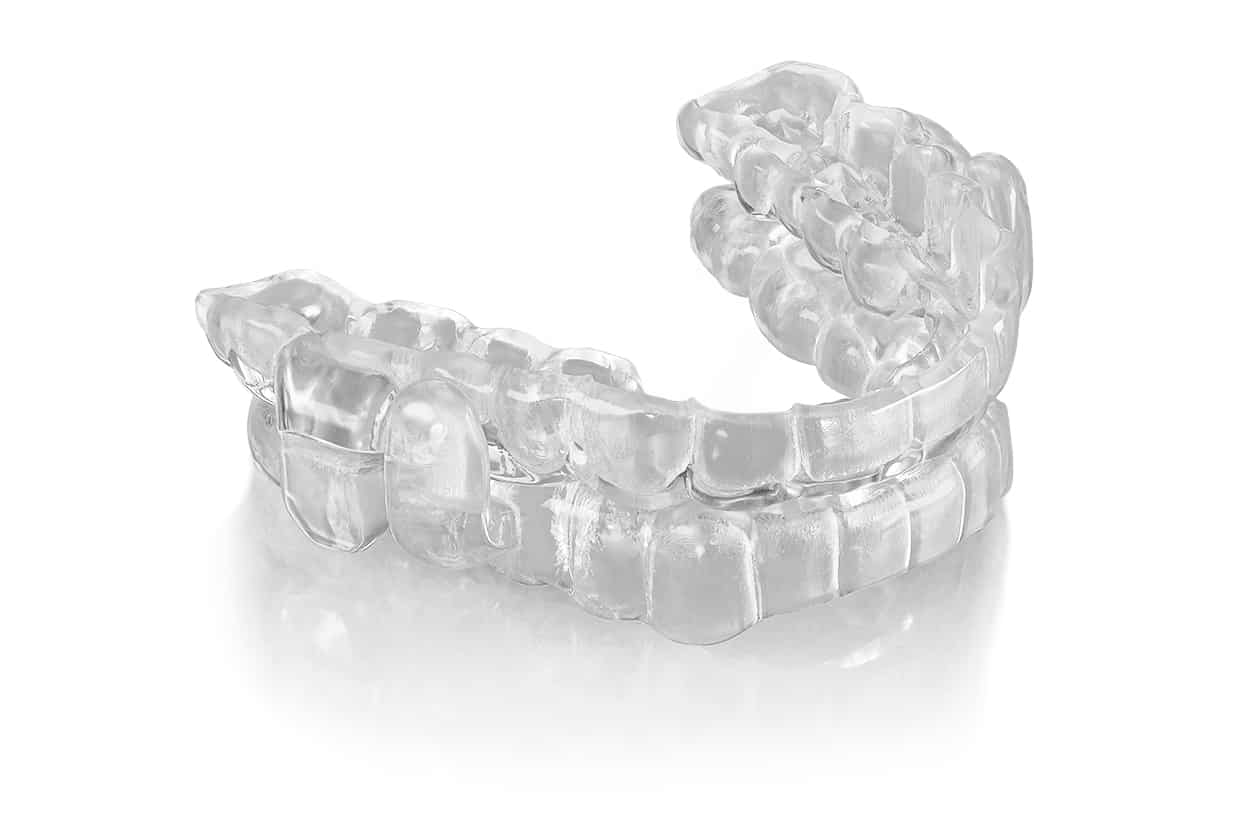
Oral appliance therapy is a form of dental sleep medicine and an option for sleep apnea treatment in Manhattan. It uses a custom device worn in your mouth while you sleep. The appliance supports your lower jaw in a position that helps keep your upper airway open.
Unlike CPAP, an oral appliance does not require a mask, hose, motor, or electrical outlet. It may be an option for some patients who struggle with CPAP or prefer another medically appropriate treatment. Dr. Mimi Yeung can coordinate with your sleep physician to determine whether an oral appliance is right for you.








How Does an Oral Appliance Help Keep the Airway Open?
For patients with sleep apnea in Manhattan, dental sleep medicine may offer a way to support an open airway during sleep. Many oral appliances use a method called mandibular advancement, which holds the lower jaw slightly forward. This position can create more space behind the tongue and help reduce airway narrowing.
Custom Mandibular Advancement Appliances
A mandibular advancement appliance is made to fit the individual mouth. We consider the teeth, bite, and jaw function when planning the device.
Adjustable Treatment Based on Your Response
The jaw position can be adjusted gradually as treatment progresses. This helps us balance airway support with comfort and jaw response.
Or Call (212) 935-3212

Who May Be a Candidate for Oral Appliance Therapy?
Candidacy depends on the diagnosis, medical recommendations, and the condition of the teeth, gums, bite, and jaw. Oral appliance therapy is not right for everyone with OSA.
It may be considered for sleep apnea patients who:
- Have diagnosed obstructive sleep apnea
- Have difficulty using CPAP consistently
- Prefer another option after speaking with their medical provider
- Want a compact treatment option for travel
- Have oral health and jaw function that can support an appliance
Or Call (212) 935-3212
Do You Need a Sleep Apnea Diagnosis First?
Sleep apnea treatment in Manhattan begins with a medical diagnosis. Snoring, fatigue, and morning headaches may be signs of obstructive sleep apnea (OSA), but symptoms alone cannot confirm it.
A qualified medical provider interprets your sleep test and determines whether you have OSA. If oral appliance therapy is appropriate for you, Dr. Yeung evaluates your teeth, bite, and jaw before fitting and adjusting a custom device. She also monitors your oral health throughout treatment.
Or Call (212) 935-3212




What to Expect
Oral Appliance Therapy in Manhattan
As part of your dental sleep medicine evaluation, we review your sleep apnea diagnosis and assess how an oral appliance may affect your teeth, bite, and jaw.
Review of Your Sleep Diagnosis and Health History
We review your sleep study results, symptoms, previous sleep apnea treatment, and experience with CPAP if you have used it. This helps us understand whether oral appliance therapy may be an option for you.

Dental, Bite, and Jaw Evaluation
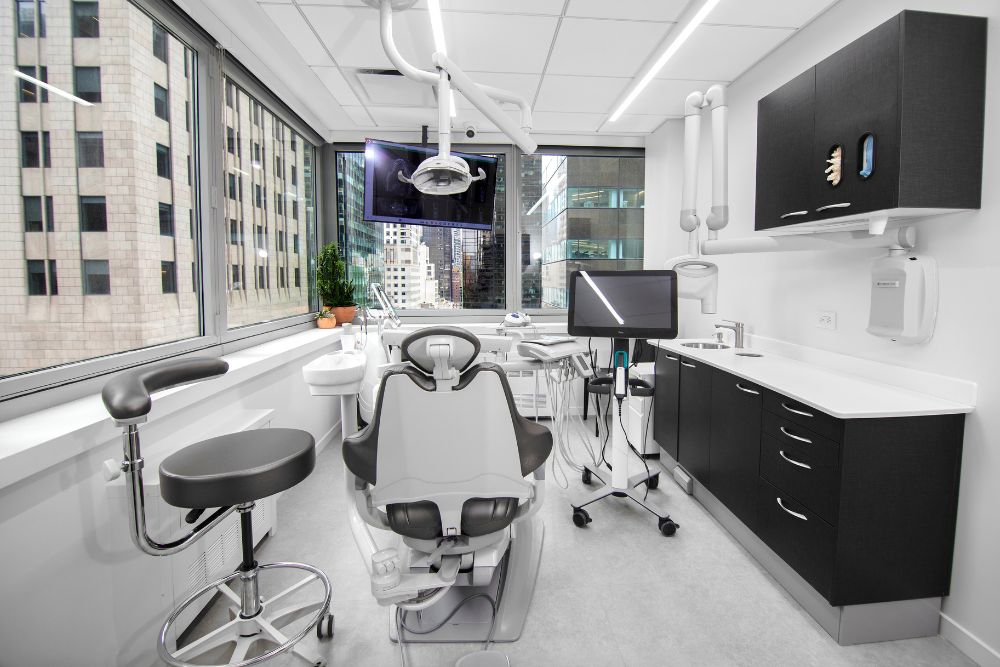
Before fitting a sleep apnea appliance, we evaluate your teeth, gums, existing dental work, bite, jaw movement, and any TMJ symptoms. These findings give us a baseline to monitor your oral health throughout treatment.
Fitting and Gradual Adjustment
When you receive your sleep apnea appliance, we check the fit and explain how to wear and care for it. We can then adjust the position of your lower jaw gradually based on your comfort and response to treatment.

Follow-Up and Treatment Verification
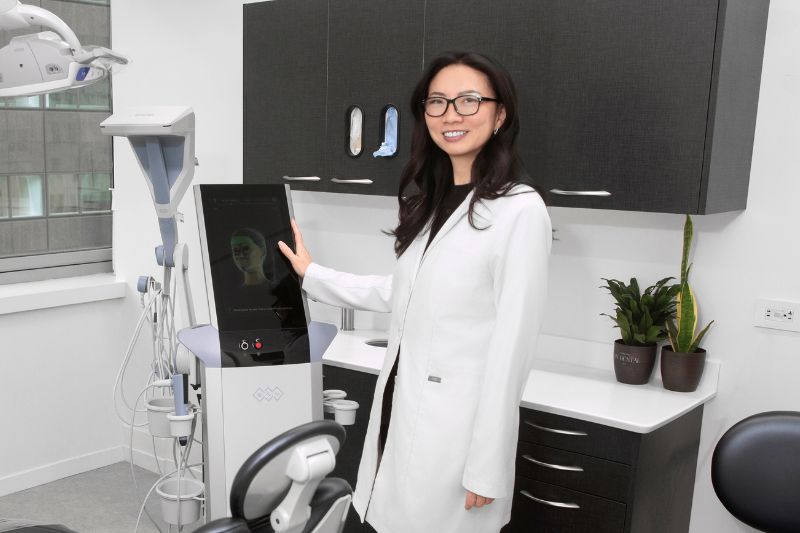
Follow-up visits allow us to monitor the fit of your sleep apnea appliance, along with your jaw comfort, tooth contact, and any bite changes. Your medical provider may also recommend follow-up sleep testing to evaluate how well your treatment is working.

Practical Benefits of a Custom Oral Appliance
For some patients, a custom oral appliance can make sleep apnea treatment easier to fit into their daily routine. While results vary, an appliance is:
- Compact and easy to transport
- Quiet because it does not use a motor
- Worn without a mask or hose
- Made for the individual mouth
- Adjustable as treatment progresses
Or Call (212) 935-3212
Oral Appliance Therapy Compared With CPAP
CPAP remains an important sleep apnea treatment and may be the best option for some patients. Oral appliance therapy offers another option based on your diagnosis, medical needs, and dental health.
| Consideration | Oral Appliance Therapy | CPAP |
| Method | Supports the jaw in a planned position | Delivers pressurized airflow |
| Equipment | Device worn in the mouth | Machine, hose, and mask |
| Travel | Compact | More equipment to transport |
| Adjustment | Dental fitting and follow-up | Managed through the medical sleep team |
The right sleep apnea treatment depends on your diagnosis and clinical needs. Your sleep physician and dentist can help you understand which option may be appropriate for you.
Or Call (212) 935-3212
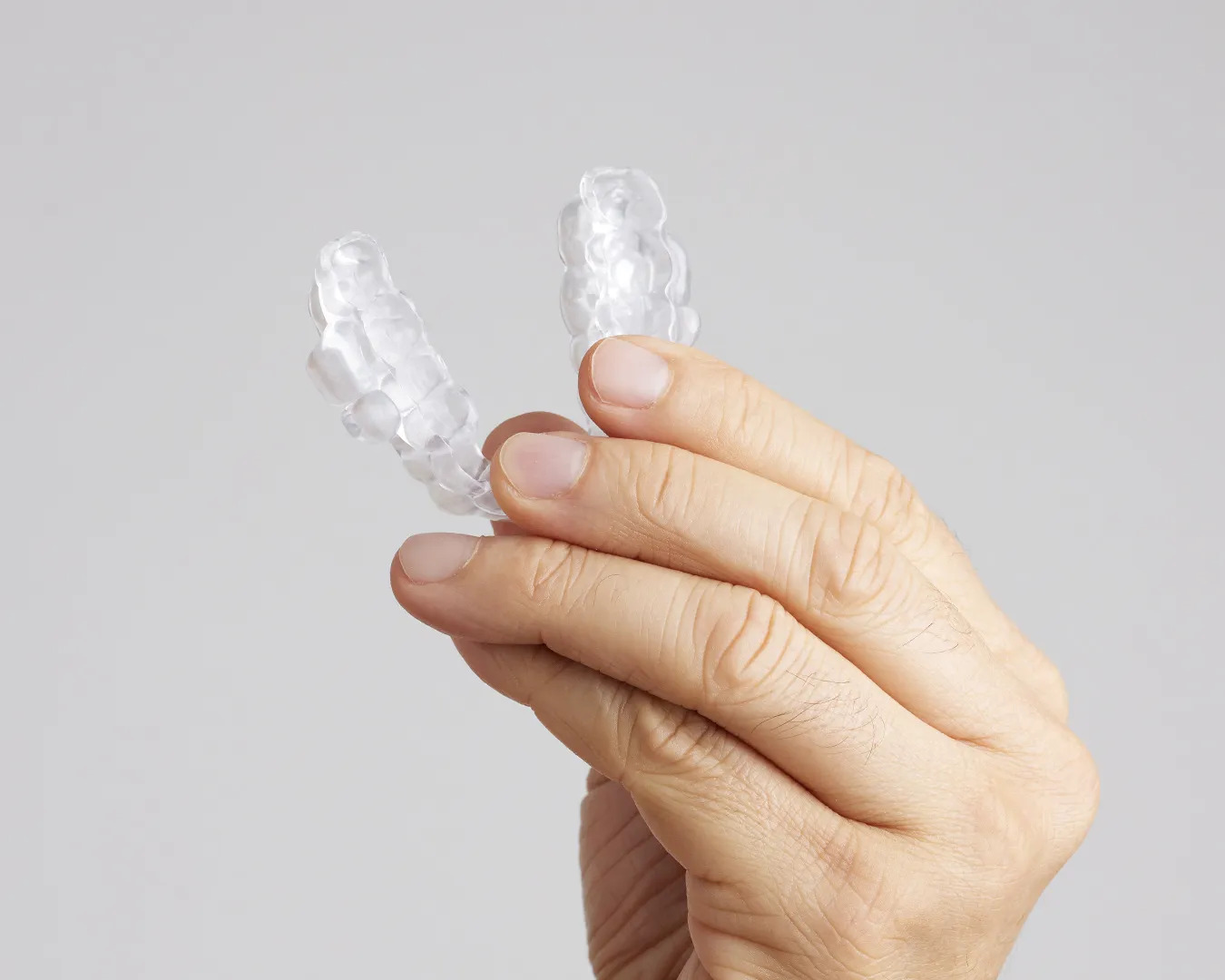
Why a Custom Appliance Is Different From a Store-Bought Mouthguard
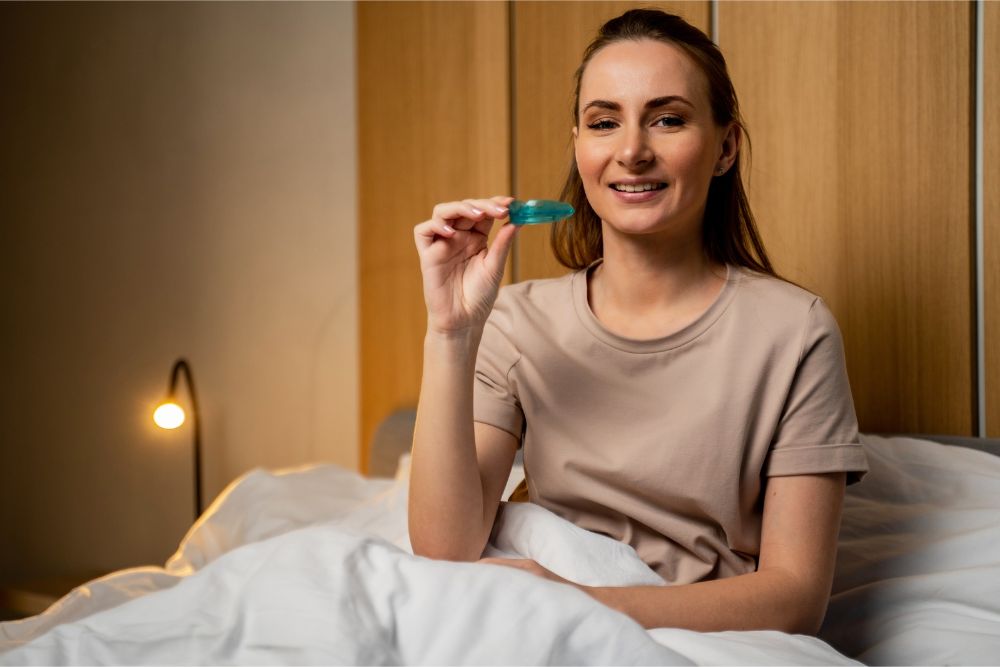
A sleep apnea oral appliance is not the same as a sports mouthguard, nightguard, generic anti-snoring tray, or boil-and-bite product. It is fitted to the patient’s dental anatomy, bite, and jaw function.
Custom appliances can also be adjusted and professionally monitored.
Or Call (212) 935-3212
Can an Oral Appliance Affect Your Jaw or Bite?
Because the device changes lower-jaw position during sleep, the jaw and bite need monitoring. Some patients may notice jaw stiffness, tooth tenderness, salivation changes, dry mouth, or changes in how the teeth meet.
Regular follow-up helps us identify concerns and adjust treatment when appropriate.
Oral Appliance Therapy Through Dental Sleep Medicine
Oral appliance care involves more than ordering a device. We manage fit and adjustment, watch the teeth and bite, and coordinate with the medical sleep team when needed.
Dr. Mimi Yeung brings this dental and jaw-focused approach to oral appliance therapy in NYC.

Frequently Asked Questions
Oral Appliance Therapy
FAQs
Oral Appliance Therapy FAQs
Choosing a sleep apnea treatment can bring up questions about comfort, effectiveness, and what to expect. Here are answers to common questions about oral appliance therapy.

Schedule an Oral Appliance Evaluation in NYC
Restful sleep can make a difference in how you feel throughout the day. For patients with obstructive sleep apnea, a custom oral appliance may offer a comfortable, portable treatment option.
At M.Y. Dental Spa in Manhattan, Dr. Mimi Yeung considers your dental health, bite, and jaw function while coordinating care with your sleep physician. With ongoing adjustments and follow-up, your treatment can be monitored for both effectiveness and comfort.
Or Call (212) 935-3212