 Referrals


Find Restful Sleep And Wake Up Refreshed
We understand how disruptive snoring and interrupted sleep can be. At our Manhattan dental office, evaluations are designed to uncover the root causes of your symptoms so your care feels targeted and meaningful from the start.











Signs You May Need A Sleep Apnea Screening
Recognizing the signs of sleep-disordered breathing is the first step toward improving your energy and overall wellness. In our Midtown Manhattan office, we assess a range of symptoms to build a personalized screening and treatment plan tailored to your needs.
- Loud, chronic snoring that disrupts your sleep or your partner’s rest
- Waking up gasping, choking, or feeling short of breath
- Frequent morning headaches and a persistently dry mouth
- Excessive daytime sleepiness and difficulty concentrating
- Unexplained mood changes, irritability, or chronic fatigue
Or Call (212) 935-3212



Benefits Of
Addressing Sleep Concerns
Treating the underlying causes of snoring and sleep apnea can significantly improve your daily routine. Our care is designed to support better rest, helping you move through your day with more clarity and focus in NYC.
Deep And Restorative Rest
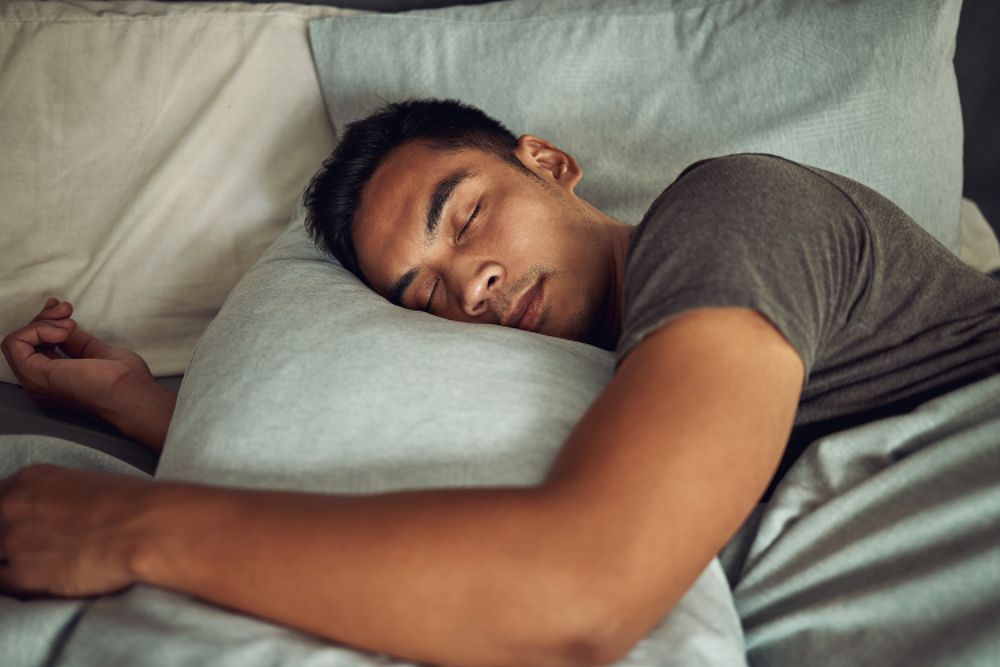
Sleep apnea prevents your body from reaching the deeper stages of rest it needs. Through careful screening in our Manhattan practice, we identify the source of disruption and guide you toward solutions that promote more consistent, uninterrupted sleep.

Improved Energy And Daily Focus
When you start sleeping better, your entire quality of life improves. Addressing your airway concerns helps eliminate daytime fatigue, allowing you to return to an active, focused, and vibrant lifestyle.
Protection For Your Total Body Health
Sleep apnea is closely connected to broader health concerns, including cardiovascular strain. By identifying airway issues early in our New York City office, we help support your long-term wellness.


Comfortable And Non Surgical Options
We focus on alternatives to traditional CPAP therapy whenever possible. In our Midtown East office, airway evaluations help determine whether a custom oral appliance can provide a more comfortable solution for nighttime breathing.

Schedule A Screening With Us Today
Our office, located near Central Park, offers a more thoughtful approach to improving your sleep and overall health. We will design a plan that supports better rest and fits naturally into your routine in New York City.
Or Call (212) 935-3212
Frequently Asked Questions
Sleep Apnea Screening
FAQs
Sleep Apnea Screening FAQs
We believe in clear communication and empowering you with practical, easy-to-understand information. At our Manhattan dental office, we’ve answered some of the most common questions about sleep concerns and snoring below.




Do You Need a Dental Filling? Signs You Shouldn’t Ignore
Subtle changes in your teeth are easy to overlook. However, they rarely happen without a ...
A Permanent Solution For Missing Teeth And Dentures
There is a specific kind of silence that follows significant tooth loss or the failure ...

How Dental Fillings Help Prevent Further Tooth Damage
At M.Y. Dental Spa, restoring your smile should feel just as refined as the results ...